
How LEGO’s Vietnam factory brings solar power and batteries together
A closer look at the factory’s energy approach, the dates behind its targets and what the figures actually mean.
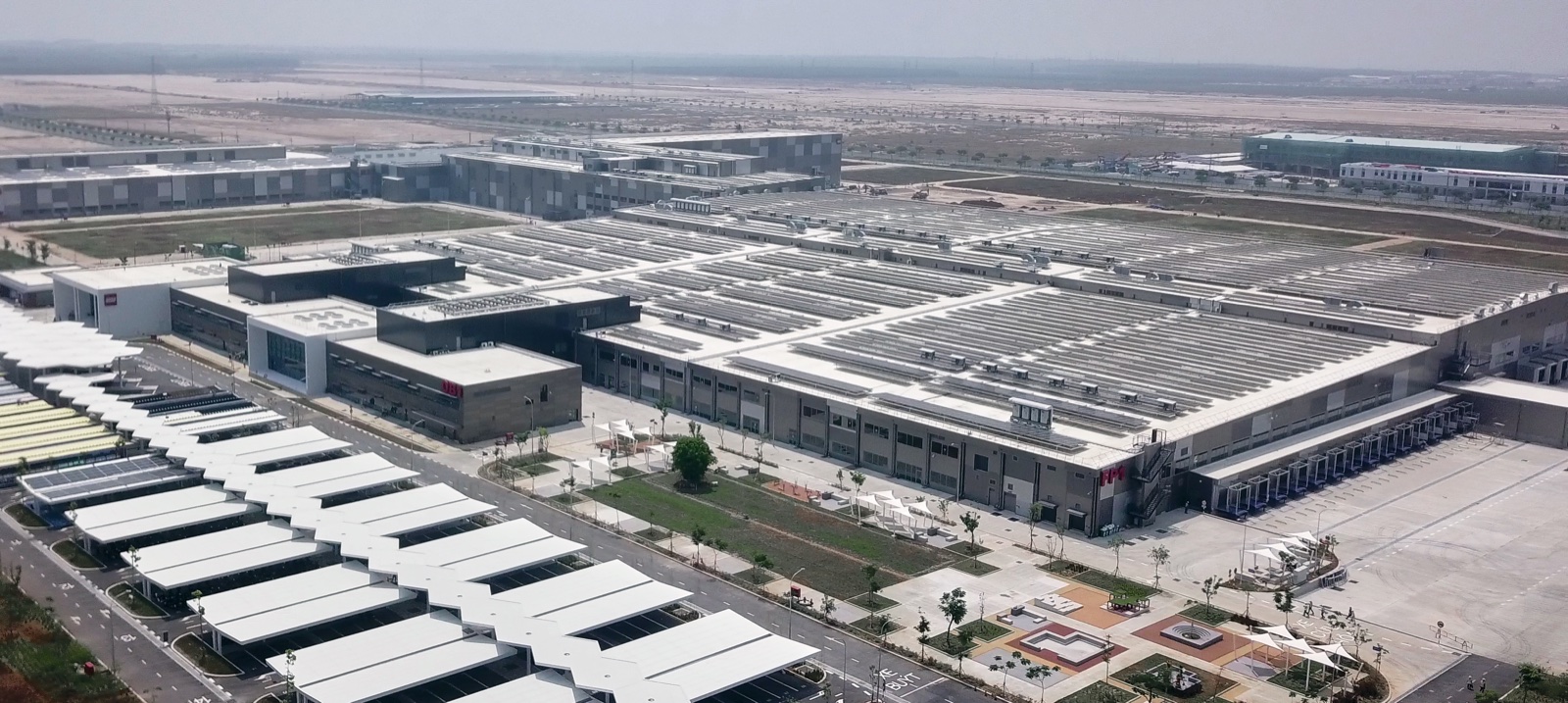
A factory story beyond the production line
LEGO Manufacturing Vietnam opened in April 2025 as the company’s sixth factory worldwide and second in Asia. The opening announcement highlighted 12,400 rooftop solar panels and a production site designed to support the region. It also described plans for nearby energy infrastructure and battery storage.
For fans, this is a useful reminder that the story of a brick starts well before a bag is opened. Manufacturing requires buildings, equipment and a dependable supply of power. Decisions about those systems are part of how a growing toy company operates.
Why a battery belongs in the picture
In September 2025, LEGO announced a direct power purchase agreement with Vietnam–Singapore Industrial Park. The planned arrangement connects solar generation with industrial battery storage to supply the factory.
The practical idea is straightforward: sunlight and factory demand do not always arrive at the same time. Storage can help move energy from a period of generation to a period when it is needed. That is an explanation of the approach, not a claim about measured performance or a guarantee that every hour of production runs solely on sunshine.
Read the newer target alongside the older promise
The opening announcement spoke of renewable energy by early 2026. LEGO’s later 2025 Annual Report instead describes two power purchase agreements and battery storage contributing to a goal of 100 percent renewable energy for the factory in 2027. The later report is the more useful reference for that target.
Keeping those dates visible avoids turning an earlier ambition into an unverified achievement. It also makes future updates easier to understand: readers can compare what was planned with what the company subsequently reports, rather than treating every announcement as if it described the same moment.
Progress is easier to follow with clear definitions
In its August 2026 operational-emissions update, LEGO explains that directly connected renewables, power purchase agreements and renewable energy certificates all contribute to matching purchased electricity with renewable sources. Matching electricity use through these mechanisms is not the same statement as drawing all power directly from rooftop panels at every moment.
Our view is that this distinction makes the engineering story more interesting. Look for where energy comes from, how it reaches the site, what storage contributes and which milestone has actually been reported. Vietnam offers a concrete example of several tools being brought together. The next meaningful chapter will be evidence of their performance, rather than another repetition of the original target.
Reporting checked September 25, 2026. Plans and programs can change; follow the linked organizations for current information.