
Stephen Pakbaz’s LEGO Curiosity brought real rover engineering to the table
The engineer behind the fan-designed Mars rover wanted people to understand a spacecraft by moving a model of it.
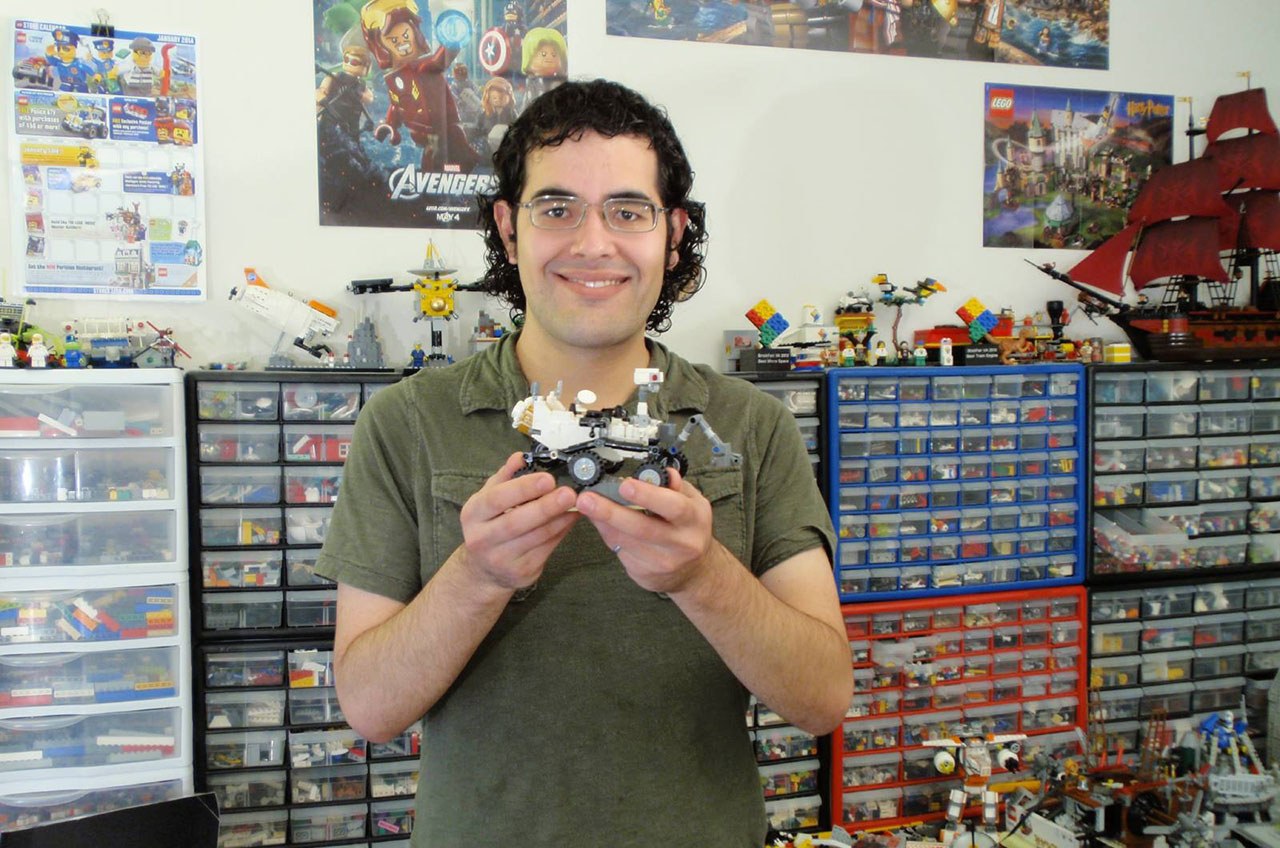
The builder had worked on the real thing
Stephen Pakbaz’s Curiosity model has an unusually direct connection to its subject. In a 2012 interview with The Brothers Brick, he described joining work on the real rover after finishing school in 2007. His responsibilities included designing brackets and covers, as well as assembly and testing work.
The LEGO model grew from wanting to explore the rover’s rocker-bogie suspension with his own hands. Pakbaz said that working close to the spacecraft helped him understand its components, and he hoped a smaller build could offer other people a similar route to understanding. This is a retrospective of that fan project, not a new set announcement.
A machine with something to demonstrate
LEGO’s official page identifies Pakbaz as the designer of the 295-piece set, 21104. Its six-wheel suspension, movable robotic arm and camera assemblies bring several different jobs into one compact object. A small terrain base supplies brick-built rocks for the wheels to negotiate.
The accompanying booklet combines building instructions with background about Mars exploration and the rover. As checked October 26, 2026, LEGO lists the product as retired. The page documents its features; it does not establish current availability from independent sellers.
The audience mattered as much as the model
In collectSPACE’s December 2013 release coverage, Pakbaz explained that his aim was educational outreach. He wanted the model available while the real rover was active, so children could connect a build with discoveries being reported from Mars. The article recorded the set’s planned January 1, 2014 launch and the fan project’s journey through CUUSOO.
That connection gives this model a different purpose from a souvenir whose job ends at recognition. A builder can identify a component, manipulate its counterpart and then return to the mission with a more specific question.
Why the suspension is the story
Our reading is that the most interesting part of this project sits beneath the body. A rover becomes easier to think about when the wheels have to deal with an obstacle. The model gives an observer a reason to look at the relationship between the terrain and the structure above it.
That is a particularly useful contribution from a fan designer with direct engineering experience. The appeal is not simply that an expert made a recognizable spacecraft. Pakbaz chose an aspect of the machine that people could investigate through movement. The resulting conversation can begin with a small rock on a table and lead back to a much larger expedition.
Reporting checked October 26, 2026. Plans and programs can change; follow the linked organizations for current information.