
Sesame Street’s new LEGO nature films leave the next scene for children to build
Three free short films introduce bats, butterflies and worms, then invite young children to imagine a home for an animal using bricks and everyday materials.
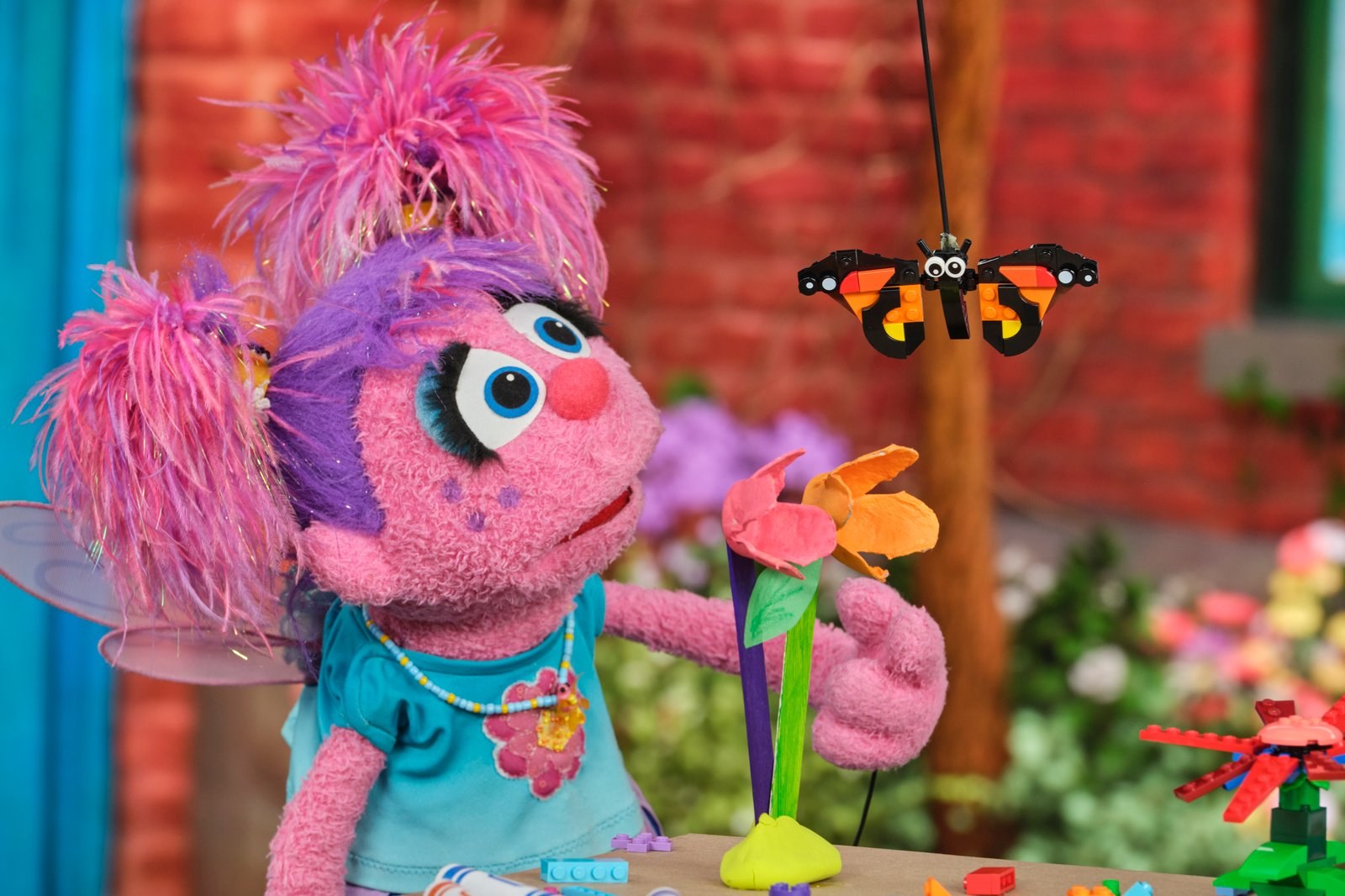
A short film, then a bigger invitation
A bat, a butterfly and a worm are the stars of a new LEGO and Sesame Workshop collaboration announced October 27. Funded by the LEGO Foundation, its three short films introduce children aged four to six to animals and their place in nature, with familiar Sesame Street friends helping tell the stories.
The roughly three-minute videos lead into free building activities. This is an educational resource rather than a new commercial LEGO set: families can use bricks they already have alongside ordinary craft materials.
Small creatures with important jobs
The published story outlines offer three different starting points. Cookie Monster and The Count explore bats; Elmo and Grover consider butterfly-friendly spaces; Oscar the Grouch helps Elmo learn about worms and healthy soil.
The accompanying activity hub asks children to create pretend homes, thinking about food, water and shelter. It then invites them to explain their design to another person. The model is a way to express an idea, rather than a real enclosure for wildlife.
Use whatever is already on the table
LEGO’s resource page links both an activity guide and printable inspiration cards. Its suggested materials include paper, cardboard, tape, paint, glue and items from the recycling bin as well as bricks. The videos and resources were accessible through the hub when checked October 28.
Our suggestion is to choose one animal and keep the first session open-ended. A child might make a flower from folded paper, add a water area in blue bricks, or explain a shelter without finishing every detail. Ask what each part does before offering a more elaborate building solution of your own. That makes the conversation about the child’s choices, rather than whether the result resembles an adult’s model.
Why the unfinished part is appealing
For LEGO fans sharing the hobby with younger family members, our reading is that the handoff matters most. The film supplies a character and a question; the child gets to decide what happens at the building table. A fixed set of instructions could make that activity more predictable, but an invented habitat leaves room for several answers and a reason to explain them.
It is also a practical invitation for a library or community play group: one short viewing can begin several different creations. The finished objects need not match for the group to share an experience. Watching, making and talking each give a child a different way into the same small corner of nature.
Reporting checked October 28, 2026. Plans and programs can change; follow the linked organizations for current information.