
Porsche 911 10295 makes choosing the roof part of the build
A desk review of the Turbo and Targa options, their shared details and what one box actually lets you construct.
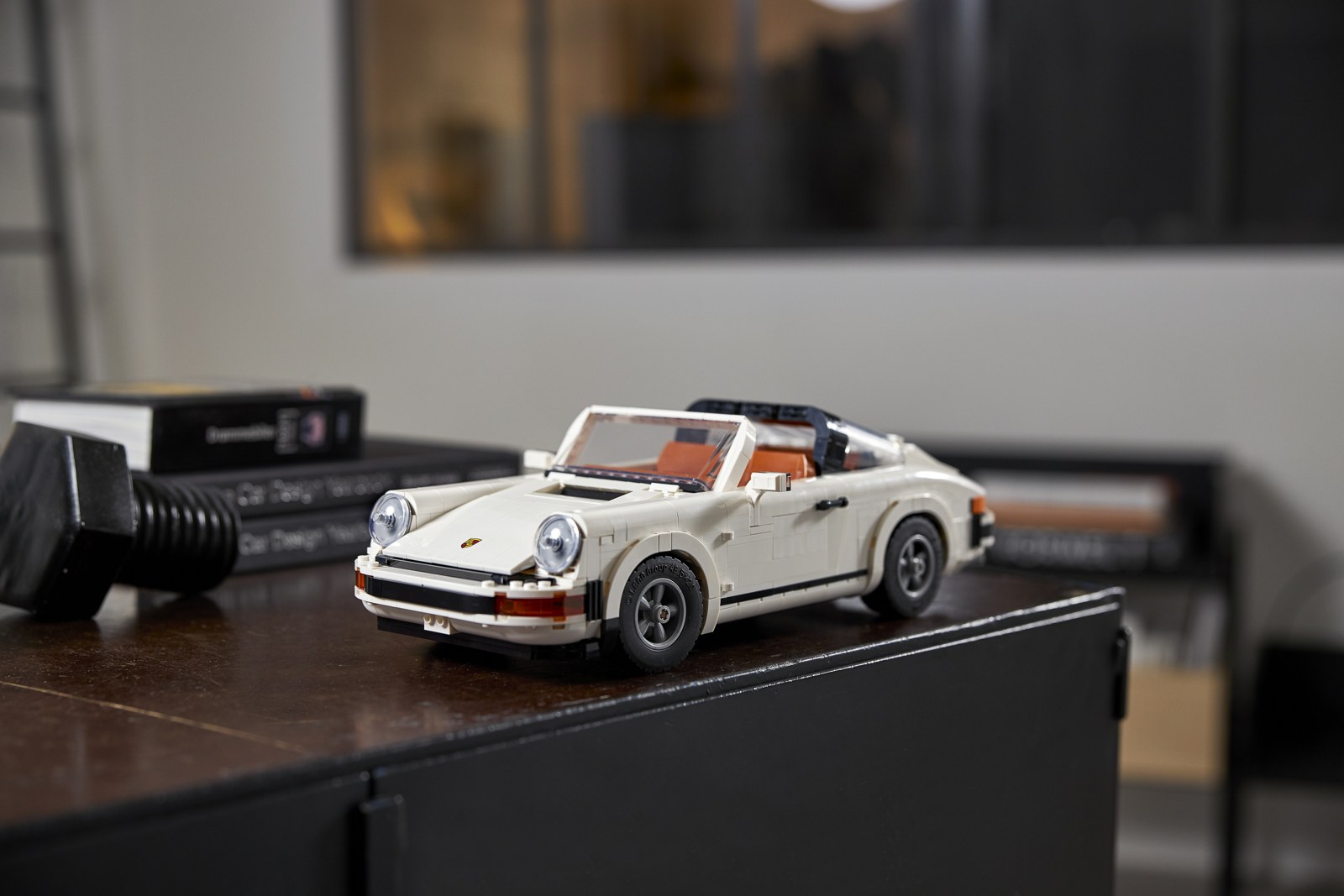
One set, two different destinations
LEGO Porsche 911 10295 offers a choice that affects more than the final accessory: build the Turbo or build the Targa. LEGO’s January 2021 announcement makes the limitation clear. The 1,458-piece set produces one version at a time; constructing the other requires rebuilding. It does not contain enough pieces for two complete cars simultaneously.
That makes it an interesting display project for someone who enjoys returning to a model. The alternative is part of the design from the start, rather than an unofficial modification that a builder must work out alone.
The difference is visible from the back
The release describes a wider rear axle, turbocharger, intercooler and integrated rear spoiler for the Turbo. The Targa instead has its characteristic bar, wraparound rear window and a removable roof panel. Designer Mike Psiaki’s comments explain that the team chose to accommodate both versions after weighing which one to make.
In our view, the strongest reason to compare the options is their outline. Look at where the roof ends and how the rear of the car carries the eye. Those changes help each version read differently even though both belong to the same recognizable family.
Small interactions reward a closer view
The official product page highlights steering, tilting seats and the rear-mounted flat-six engine representation. It also shows the Targa roof being stored under the front hood. That storage detail is particularly appealing on paper: the removable component has an intended place within the model.
For a display, we would choose an angle that reveals the selected variant’s distinguishing feature, then leave enough room to open the hood or reach the cabin. A straight side view may emphasize the body line; a slightly elevated angle can make the open Targa roof easier to understand. These are display suggestions, not observations from handling a completed build.
Keep the second route available
Our practical suggestion is to retain the unused variant pieces together and label them with the set number. If the car changes configuration later, those parts are part of the project rather than anonymous leftovers. Consult the official instructions before beginning the conversion, especially when rebuilding a previously assembled example.
This desk review makes no assessment of assembly difficulty, durability or driving performance. What the documented design offers is a satisfying decision with a reversible outcome. A favorite version can stay on the shelf, while the other remains a reason to open the instructions again.
Reporting checked October 8, 2026. Plans and programs can change; follow the linked organizations for current information.