
The little design change that gave LEGO minifigures a world to inhabit
Movable limbs and familiar proportions helped turn a small figure into a partner for the whole building system.
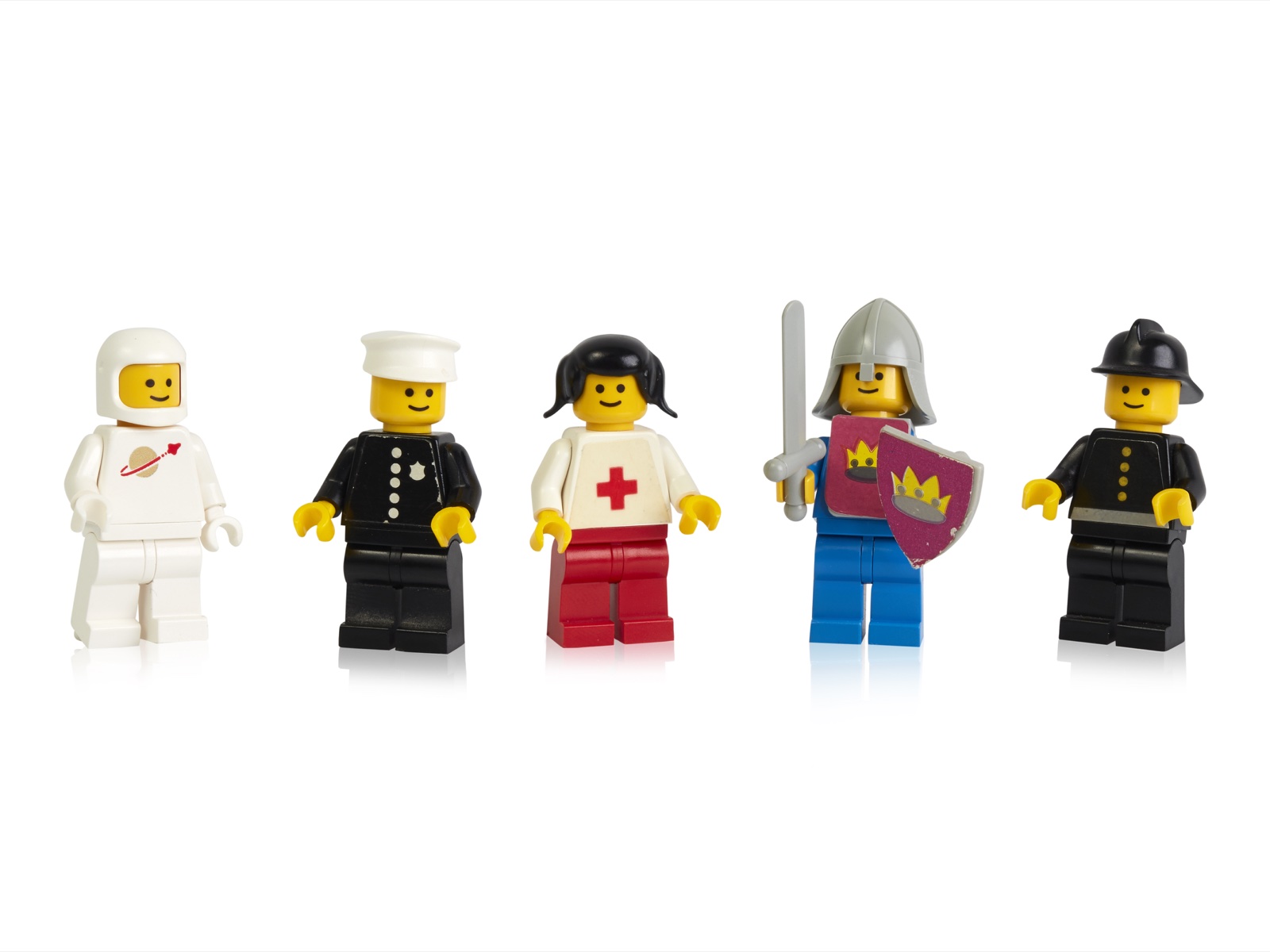
Before the familiar smile
The LEGO minifigure did not arrive fully formed at the first attempt. LEGO’s historical account describes a brick-built family of figures in 1974, followed in 1975 by a smaller figure with a blank face and fixed body. Designer Jens Nygård Knudsen continued developing the idea; the recognizable minifigure with movable arms and legs followed in 1978.
Read as a design story, the progression is fascinating. A figure can suggest a person simply by standing in a scene, but movement gives that person something to do. The difference becomes apparent as soon as a character needs to sit, hold a tool or join the action.
Small enough to belong
Without hair or headgear, the standard minifigure stands four LEGO bricks high. LEGO’s history places that scale at the heart of its fit with the wider system. The figure becomes a useful reference point when looking at the environment around it.
Our suggestion for appreciating that relationship is to set a figure beside a simple doorway, chair and vehicle. Ask how each object changes when it needs to accommodate a character. A room ceases to be only a collection of walls; it needs a route through it. A vehicle needs somewhere for its driver to belong. Those are small decisions with a large effect on how a scene reads.
A long history, not a current production count
LEGO’s 40th-anniversary feature, dated August 29, 2018, describes the move from early simple smiles to a much broader range of faces and characters. Its numerical totals describe that anniversary year. They should not be reused as today’s count of all minifigures.
That is a useful habit for collectors more generally: keep the date beside a fact. A historical catalog, anniversary article and current product listing answer different questions. Each can be valuable without being a live census of the hobby.
Build a history display you can explain
For a small collection display, consider organizing examples by a design question rather than by price. How did a character hold something? How did a face convey personality? What made a figure fit into the surrounding model? Label reproductions or mixed-part combinations honestly, and keep original sets or dates separate from guesses.
You do not need a rare figure to begin that conversation. Even a well-played character can demonstrate the relationship between a small movable body and a much larger world of bricks. The pleasure is in noticing how a familiar toy works, then seeing your existing collection with fresh eyes.
Reporting checked September 25, 2026. Plans and programs can change; follow the linked organizations for current information.