
What sensory support at LEGO stores can mean for your next visit
A practical look at the KultureCity initiative, loanable sensory bags and the questions worth asking before a visit.
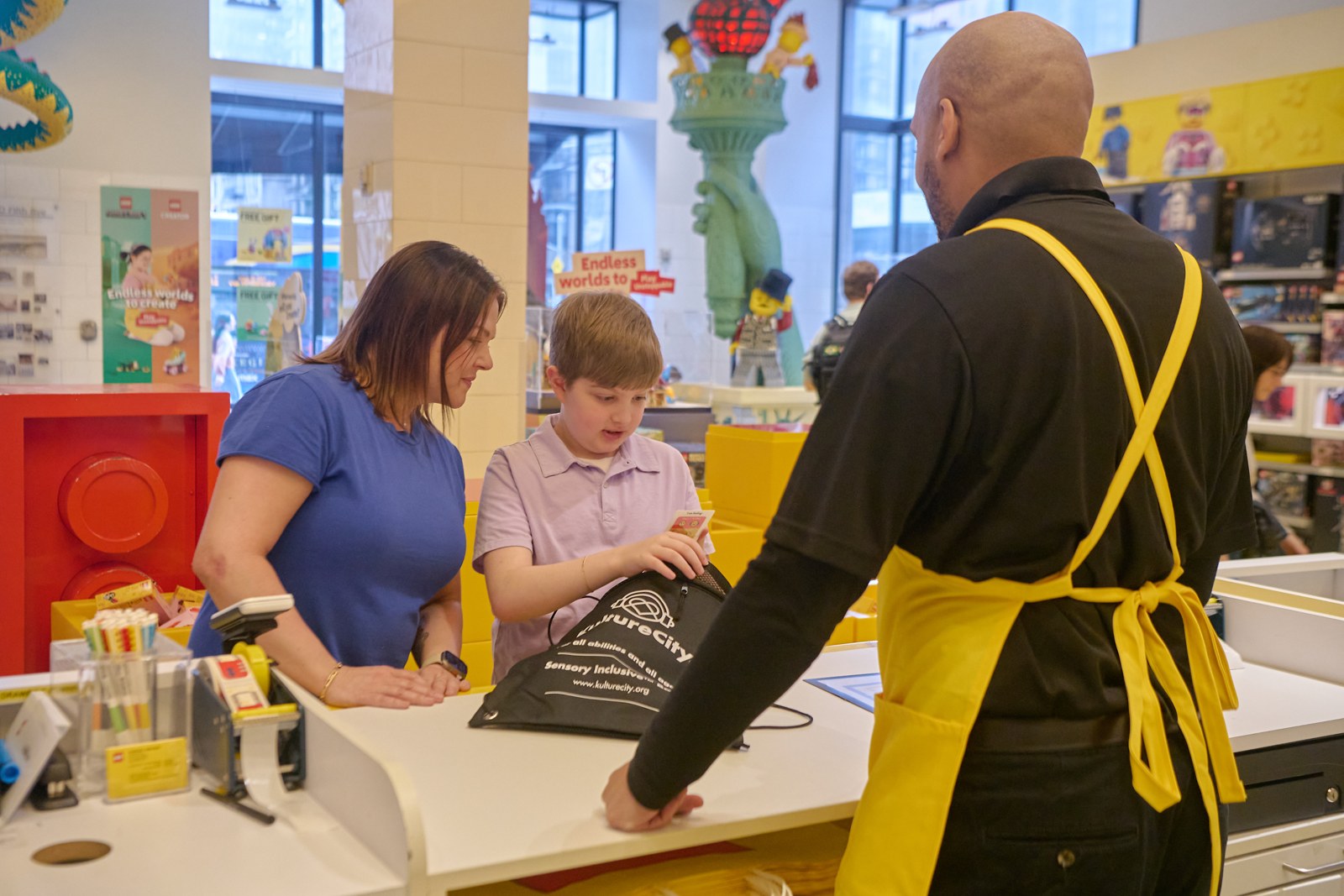
Support is part of the store experience
A visit to see new sets can involve more than deciding what to build next. Lighting, sound, crowds and the pace of an outing can shape whether someone enjoys being there. LEGO’s KultureCity initiative is worth knowing about because it addresses the visit itself.
In April 2024, LEGO announced sensory-inclusion certification for its US and Canadian stores, including staff training and bags that visitors could borrow without charge. A November 2024 update confirmed that certification had been achieved in those stores. This guide revisits that established initiative; it is not an announcement of a new worldwide rollout.
What is in a sensory bag?
The April announcement describes noise-reducing headphones, fidget tools, communication cue cards, a KultureCity lanyard and strobe-reduction glasses. It states that the bags can be used by visitors of different ages and abilities. These are options to borrow during a visit, rather than a required package of activities.
Our practical suggestion is to ask a colleague what is available at the specific location and how to borrow and return it. Different people may prefer different items. A visitor should be able to choose the support they find useful without feeling obliged to use everything in the bag.
LEGO House has its own practical arrangements
The current LEGO House accessibility page, checked October 3, 2026, directs visitors to the Information desk to borrow a KultureCity bag. It also describes quieter resting places in corridors leading from the Experience Zones to the terraces. A downloadable guide and video help visitors prepare.
Those details are specific to LEGO House in Billund. They should not be read as a promise that every retail shop has the same layout or facilities. If a quiet place, a particular item or a shorter route matters to your visit, check the destination’s own information before setting out.
Plan around the visitor, not a checklist
For a store outing, a short plan can be enough: decide the main thing you want to see, identify who to ask for help, and leave room to finish earlier than expected. If you are accompanying someone, ask what they would like from the visit instead of assuming a longer stay is a better one.
The same approach can help a LEGO club hosting an open day. Publish clear arrival information, explain where support is available and make it easy to ask questions. The value of an inclusion initiative is in the choices it makes possible, including the choice to enjoy a small part of an experience at your own pace.
Reporting checked October 3, 2026. Plans and programs can change; follow the linked organizations for current information.