
What LEGO’s paper-based bags change—and what the numbers actually mean
An explanation of the packaging transition, the engineering behind it and why paper-based does not mean every bag is already plastic-free.
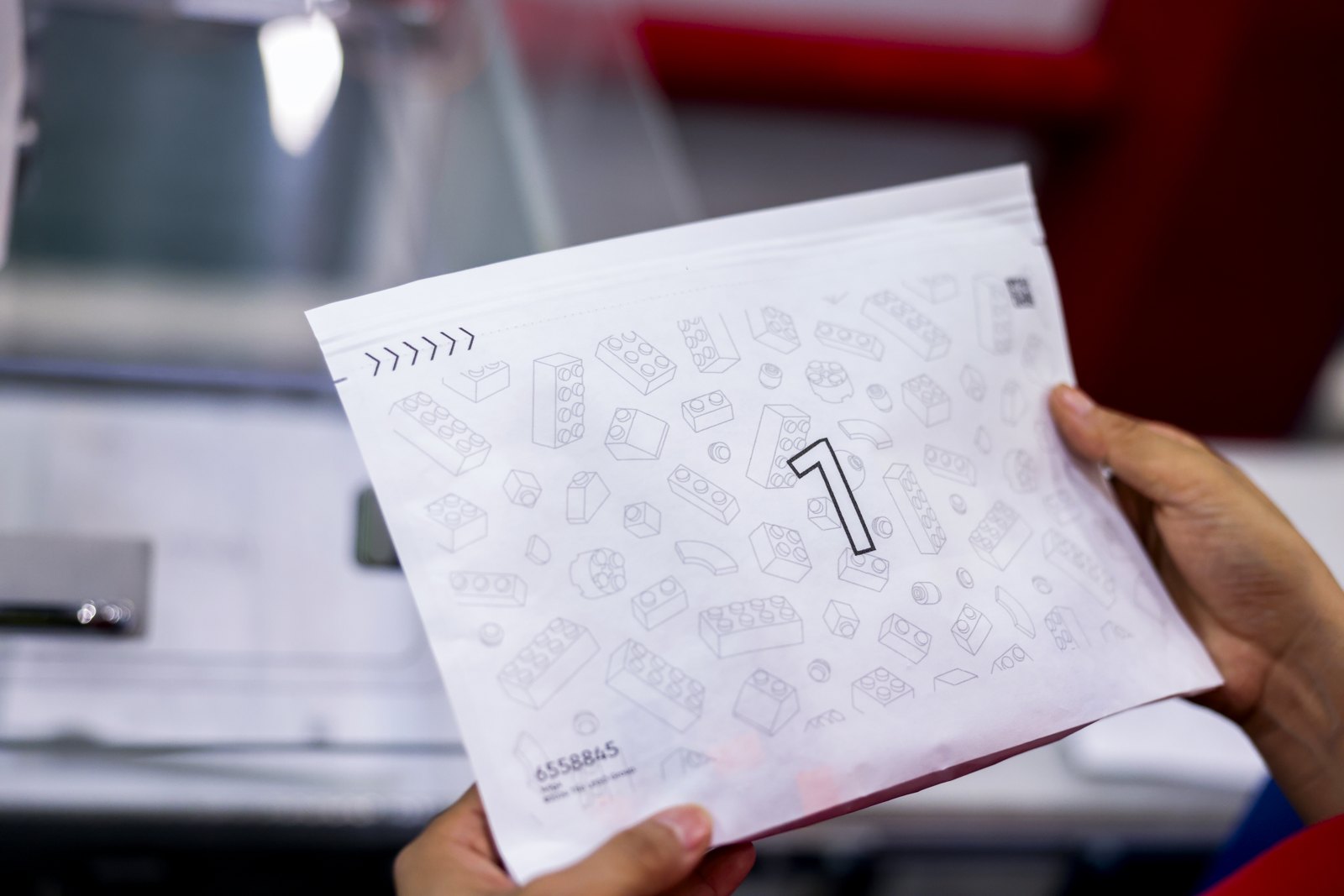
A familiar building ritual gets a new material
Opening the numbered bags is part of the rhythm of a LEGO build. The move toward paper-based packaging changes that moment, but it is also a manufacturing project spread across many packing lines. Reading the figures carefully helps explain what has changed and what is still underway.
As checked on September 29, 2026, LEGO’s packaging page says 95% of its packaging by weight is paper, cardboard or other paper-based material. It separately reports that 56% of packing lines have transitioned to paper-based pre-pack bags, with the global transition expected to finish in 2027.
Two percentages answer different questions
The weight figure describes the material mix across packaging. The packing-line figure describes progress in changing the equipment and process used for pre-pack bags. They have different denominators, so neither should be presented as the percentage of sets already containing only paper bags.
Our practical reading is to treat a single box as one example, not a company-wide progress report. A photograph of one paper bag tells you what came in that box. It does not establish that every product, factory or region has reached the same stage. Clear explanations can celebrate progress while keeping the scope of each number intact.
A bag has more jobs than looking like paper
LEGO’s November 2023 engineering account describes work on roughly 180 paper types and formats. Bags had to survive transport, protect the pieces and work across manufacturing environments with different temperatures and humidity. More than 350 colleagues were involved in the effort described at that time.
That history makes the change easier to understand as a production challenge. Packaging must arrive intact, open when intended and keep a building sequence organized. In our view, successful redesign depends on all those ordinary tasks continuing to work; the material change is only one part of the experience a builder encounters.
What to do with the bags after building
The current packaging page says the bags are at least 95% paper and include a thin plastic coating. LEGO describes them as technically recyclable in the EU, US and Canada, while directing readers to check local collection rules. Technical recyclability is not a guarantee that every household recycling service accepts the same item.
Our suggestion is to check the guidance for your own municipality, keep packaging separate from the building parts and inspect emptied bags before disposing of them. When sharing the story with another fan, use the precise phrase paper-based. It captures the direction of travel without claiming that the transition is finished or that the bags contain no plastic.
Reporting checked September 29, 2026. Plans and programs can change; follow the linked organizations for current information.