The first LEGO Masters challenge still offers a great lesson in storytelling
A theme park is more than a collection of rides. The U.S. premiere offers a useful starting point for your next collaborative build.
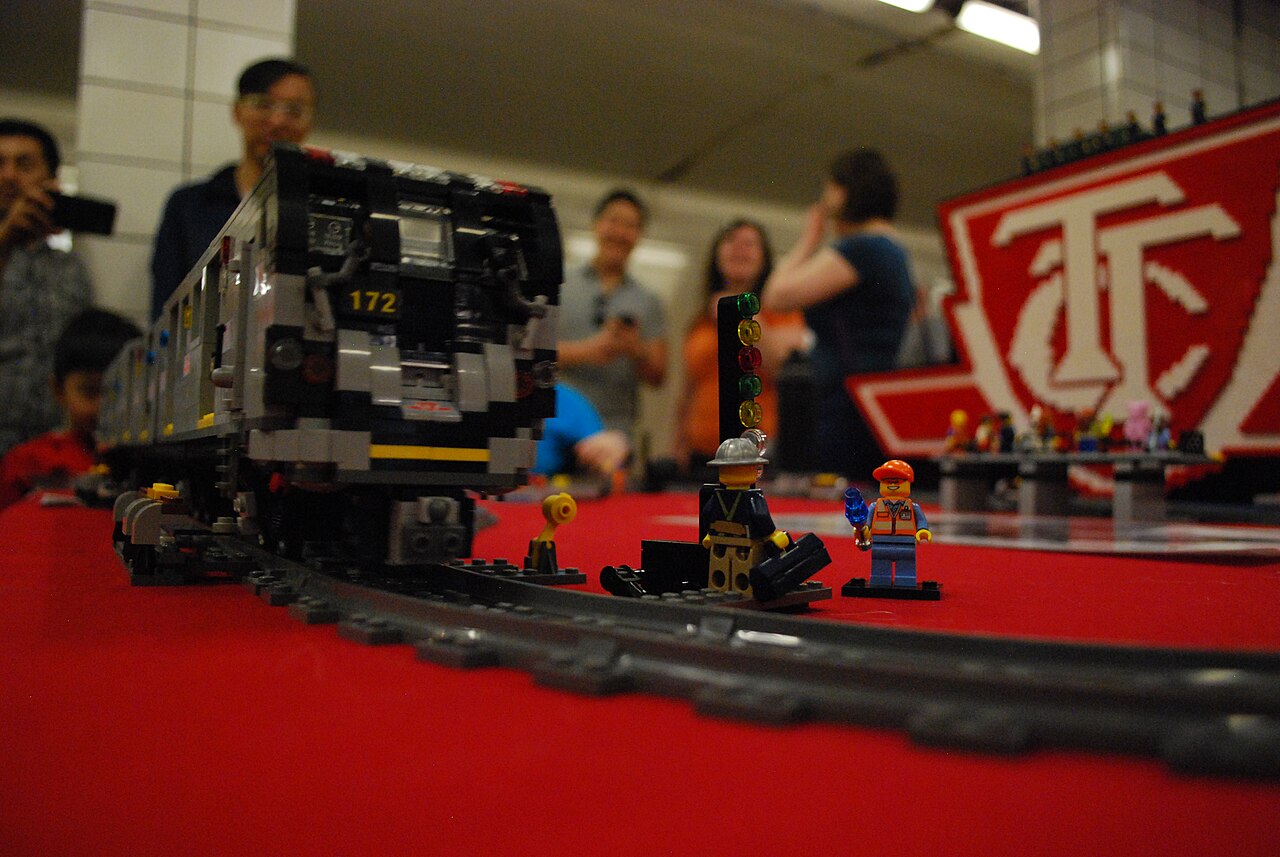
One world, several builders
The first U.S. LEGO Masters episode, Dream Park Theme Park, aired on February 5, 2020. Its challenge asked each pair to build a section of a theme park. That brief is a terrific starting point for a home project because it creates two jobs at once: make an interesting attraction and make it belong to a larger place. This is our building exercise inspired by the published episode brief, rather than a firsthand recap or a claim about how the judges scored it.
Give the visitor a reason to stop
Before reaching for a large baseplate, write a sentence explaining what happens in your attraction. A moon rover takes nervous tourists over a crater. A dragon delivers passengers to a bakery. That sentence gives the model a purpose and helps you choose which details deserve the most space.
Try building the entrance and the main action first. A readable sign, a clear queue and a visible destination can tell a visitor more than another row of decorative pieces. Our suggestion is to photograph the unfinished model from minifigure height: if the route is difficult to understand, change the layout before adding scenery.
Make the connection part of the design
For a shared build, agree on the width of paths and the position of connections before the teams separate. Each person can keep a different color scheme or theme while the routes give visitors a way to move through the whole park. A common entrance is useful; identical attractions are not required.
This is also a friendly way to involve builders with different collections. One person can work on transport, another on a ticket booth and another on the landscape. Give each contribution a place in the story rather than measuring success by its size.
Bring the idea back to your own table
Set a modest first target: one attraction, one entrance and one visible moment of action. Leave room to extend it later. Afterward, invite another builder to describe what they think is happening without giving them your explanation. Their answer is a practical test of whether the story comes across.
You can revisit the original challenge through our episode archive, then try a completely different theme for your own park. The useful takeaway is an approach to collaboration: build something distinctive, and give it a clear connection to the world around it.
Reporting checked September 24, 2026. Plans and programs can change; follow the linked organizations for current information.