
A small LEGO hand is part of a bigger change in materials
LEGO says e-methanol is now helping make more than 90 rigid elements. Here is what the announcement establishes—and what it does not.
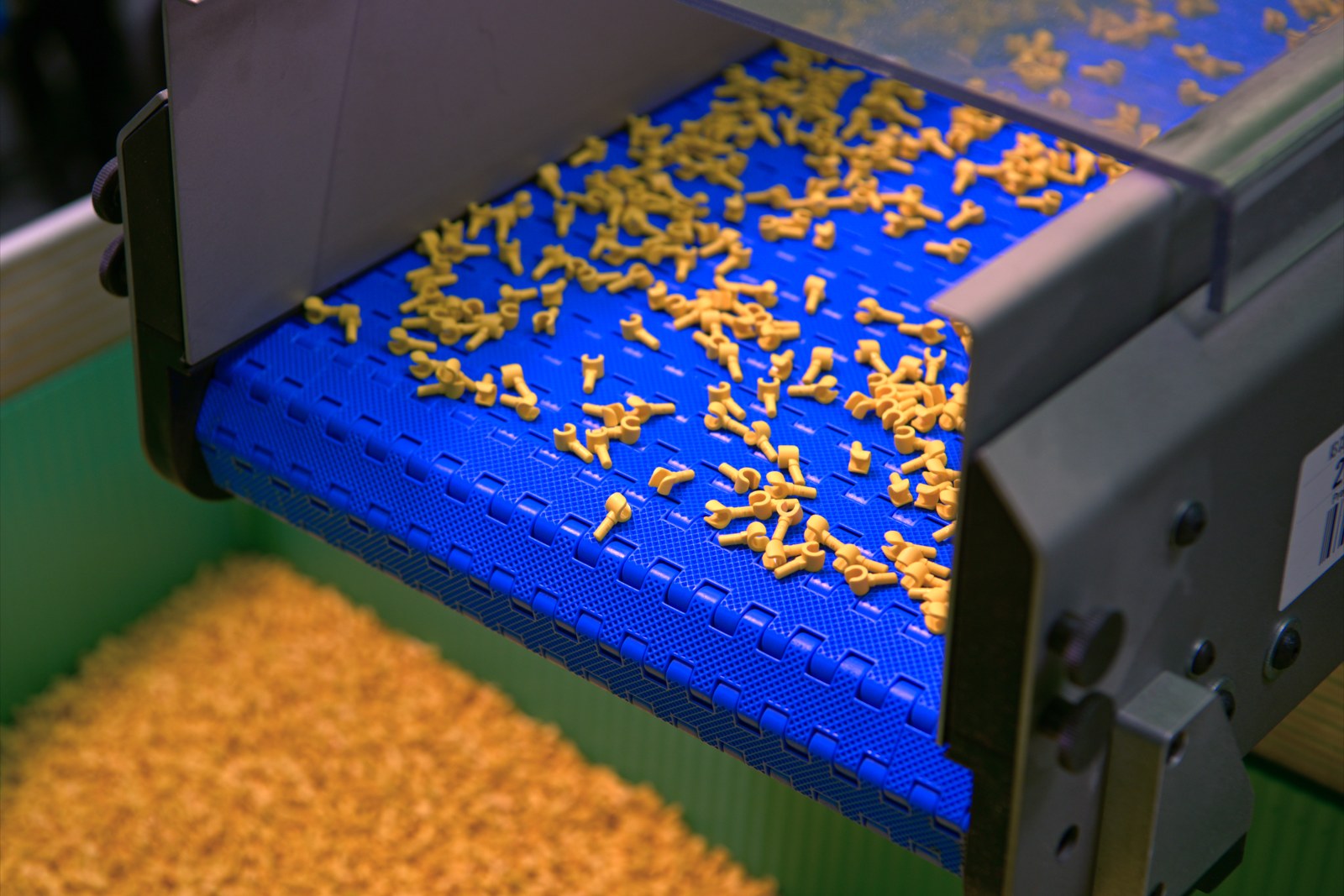
A production update with familiar parts at its center
On September 30, 2026, the LEGO Group reported that it had started using e-methanol to help manufacture more than 90 rigid elements. Its examples include cross axles, connectors, steering wheels and minifigure hands. These are recognizable parts with everyday roles in building, which makes the development easier to picture than a broad materials target.
The update describes a step in production after more than five years of collaboration and testing. It is a company-reported milestone, not an independent assessment of the finished elements’ environmental footprint.
What the new input changes
LEGO describes a process in which renewable electricity helps produce hydrogen, combined with carbon captured from a biogas facility to make e-methanol. The resulting material can be used in plastics production. The company also states that the production loop still includes virgin fossil material.
That last detail is essential to understanding the announcement. It is a transition in manufacturing inputs, not evidence that every affected piece is entirely fossil-free. The release does not provide a renewable-content percentage for an individual minifigure hand, and readers should not infer one from the list of parts.
Different parts need different material approaches
LEGO’s wider materials overview describes separate approaches for transparent, flexible and rigid pieces. It identifies recycled content in transparent elements and sugarcane-derived material in some flexible botanical pieces and accessories. The rigid-element work belongs within that broader collection of material choices.
The same overview explains why attributed renewable content and the guaranteed physical content of an individual product are different measures when inputs are mixed. For readers following the industry, that is a useful distinction to carry into future announcements: check what is being measured, over what period, and at which stage of manufacturing.
What to watch in the next update
The most useful follow-up will be information about scale, the share of production covered and how environmental results are measured. A count of element designs answers one question; it does not by itself tell us the volume of material changed or the emissions saved across the whole business.
For builders, the encouraging part is that the work concerns ordinary components, not only a demonstration model. For industry watchers, the interesting story is the move from developing an alternative input to fitting it into a production system. Both deserve attention, with the limits of the current announcement kept visible.
Reporting checked October 1, 2026. Plans and programs can change; follow the linked organizations for current information.