Inside Kornmarken: the work behind LEGO’s next generation of manufacturing
Billund’s newly opened campus brings materials research, production testing and specialist training into the same manufacturing center.
The next idea also needs a way to be made
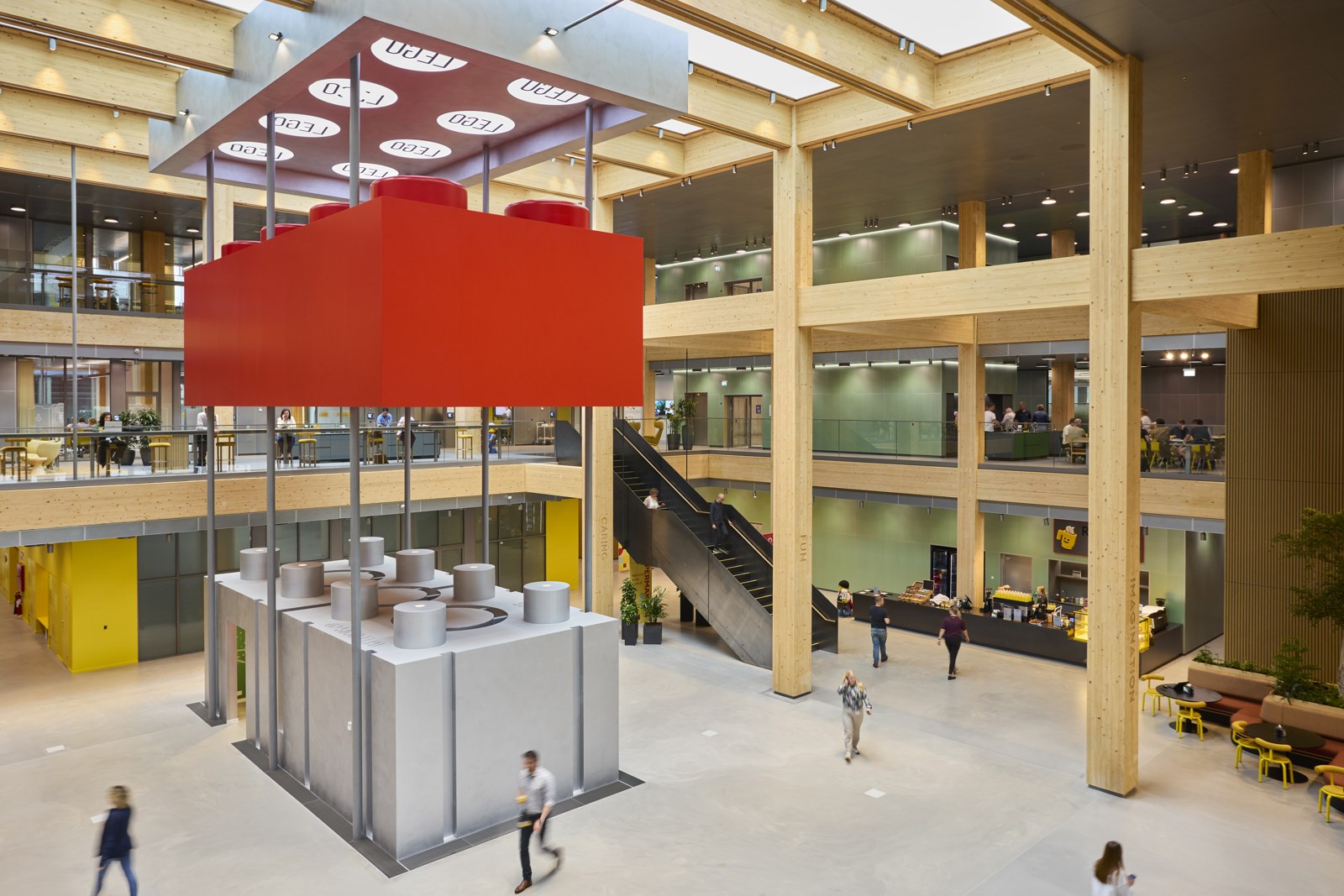
A new LEGO element is both a design possibility and a manufacturing challenge. Kornmarken Campus, officially opened in Billund on June 24, 2026, brings the work of developing, testing and scaling production technologies together. The company describes it as its first dedicated global manufacturing innovation center.
For fans, this is a useful industry story because it looks behind the finished set. A promising shape or material must eventually become something that can be produced consistently. Our interpretation is that the campus is intended to shorten the distance between an experiment and the practical knowledge needed to use it across LEGO’s factories.
Different facilities answer different questions
LEGO lists a Test & Innovation Centre, Materials Lab, Additive Manufacturing Centre and Training Academy among the campus facilities. Their stated work covers production processes, alternative raw materials, advanced 3D manufacturing and training for plastic makers and tool makers. Mould manufacturing is also part of the site.
These are connected activities, but they should not be treated as interchangeable. Our way of reading the list is as a sequence of questions: can an idea be made, which material is suitable, how can production be repeated, and who has the specialist skills to do it? Bringing the teams together may help those questions inform one another. It does not mean every experimental process is already used in retail sets.
The existing factory is part of the picture
LEGO’s August 25 half-year report confirms the June opening and describes a 100,000-square-meter workplace alongside the existing factory, home to more than 1,800 colleagues developing, testing and scaling manufacturing technologies. The June release distinguishes the new 47,000-square-meter campus from the larger combined facility.
That distinction matters when comparing construction headlines. The total describes the new and existing facilities together; it is not all newly added floor area. More interesting than the headline size is the connection to active production. In our reading, the setting gives research and practical manufacturing a shared context, rather than presenting innovation as an activity detached from factory work.
Skills belong in the innovation story
The training element deserves attention alongside the laboratories. New equipment still depends on people who understand its materials, tools and processes. For anyone whose interest in LEGO extends into engineering or making, that is an encouraging reminder that specialist craft remains part of the industry’s future.
This article explains the published purpose of the facility; it does not claim access to private projects or measure the campus’s results since opening. Future reports about processes tested, skills developed or techniques adopted elsewhere will be more informative than floor area alone. The campus provides a place for that work, and a clearer view of the people and practical questions behind the next generation of bricks.
Reporting checked October 7, 2026. Plans and programs can change; follow the linked organizations for current information.