
LEGO’s Hungary expansion pairs more production with a longer heating project
A year after the Nyíregyháza expansion opened, its completed capacity increase and planned geothermal system tell different parts of the story.
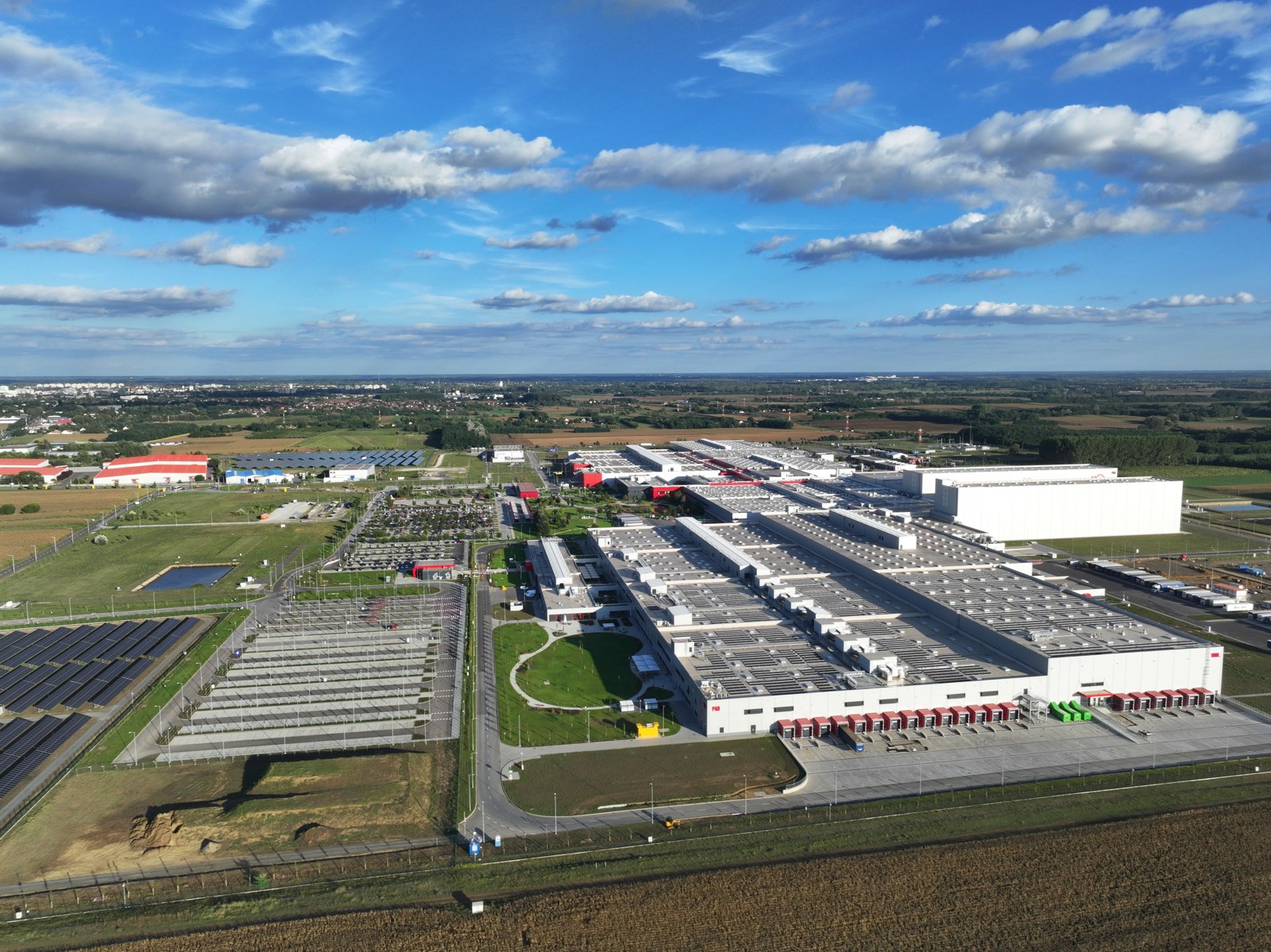
A completed expansion, with another milestone ahead
LEGO inaugurated its enlarged Nyíregyháza factory on September 30, 2025, reporting a 30 percent increase in production capacity. The Hungarian site’s buildings covered 262,000 square meters following the work, compared with 120,000 when the facility opened in 2014.
Looking back just over a year later, the useful distinction is between that completed manufacturing expansion and a separate heating project with a later target. Both belong to the same factory story, but they should not be treated as though they reached the finish line together. A larger facility and a different way to supply heat answer different operational needs.
Why the factory matters beyond its footprint
The inauguration announcement describes a site handling molding, decoration, assembly, packing and warehousing. It reported more than 4,300 employees including seasonal workers, following the creation of 300 jobs during the two-year expansion. Those are figures from the announcement, not a fresh October 2026 headcount.
For LEGO fans, a factory photograph can make production look like one vast building. The list of activities offers a more useful picture: the finished box depends on several different stages. Our interpretation is that the expansion’s significance lies in supporting that connected process. Floor area alone cannot tell readers how many of any particular set will appear in a local shop.
Geothermal heating follows its own schedule
LEGO’s 2025 plan called for a closed geothermal system using water from more than two kilometers underground. The company targeted 2028 for the system to become fully functional and replace non-renewable natural gas in factory heating. This article does not claim that transition is already complete.
Heating is also a specific part of a factory’s energy use. Replacing its fuel would not, by itself, demonstrate that every manufacturing activity had become emissions-free. Keeping the scope clear makes the progress easier to follow: the next useful evidence would be a commissioning update describing what the system supplies and when it began operating.
Part of a wider production network
LEGO’s March 2026 results release lists Hungary among the factories expanded during 2025, alongside work in Mexico and China. It also records a new factory and distribution center in Vietnam and continued construction in Virginia. That later report places the Hungarian project within a broader investment program.
For readers following the industry, this is a reason to watch several milestones rather than a single opening ceremony. Construction, production capacity and energy infrastructure each have their own measures of progress. The Hungarian expansion provides a concrete example of a completed investment supporting the making of LEGO sets, while its heating plan remains a separate development to follow.
Reporting checked October 5, 2026. Plans and programs can change; follow the linked organizations for current information.