
A second life for old bricks starts at the building table
LEGO’s reuse campaign brings back a familiar castle. Here is a practical way to turn that idea into play.
An old knight returns
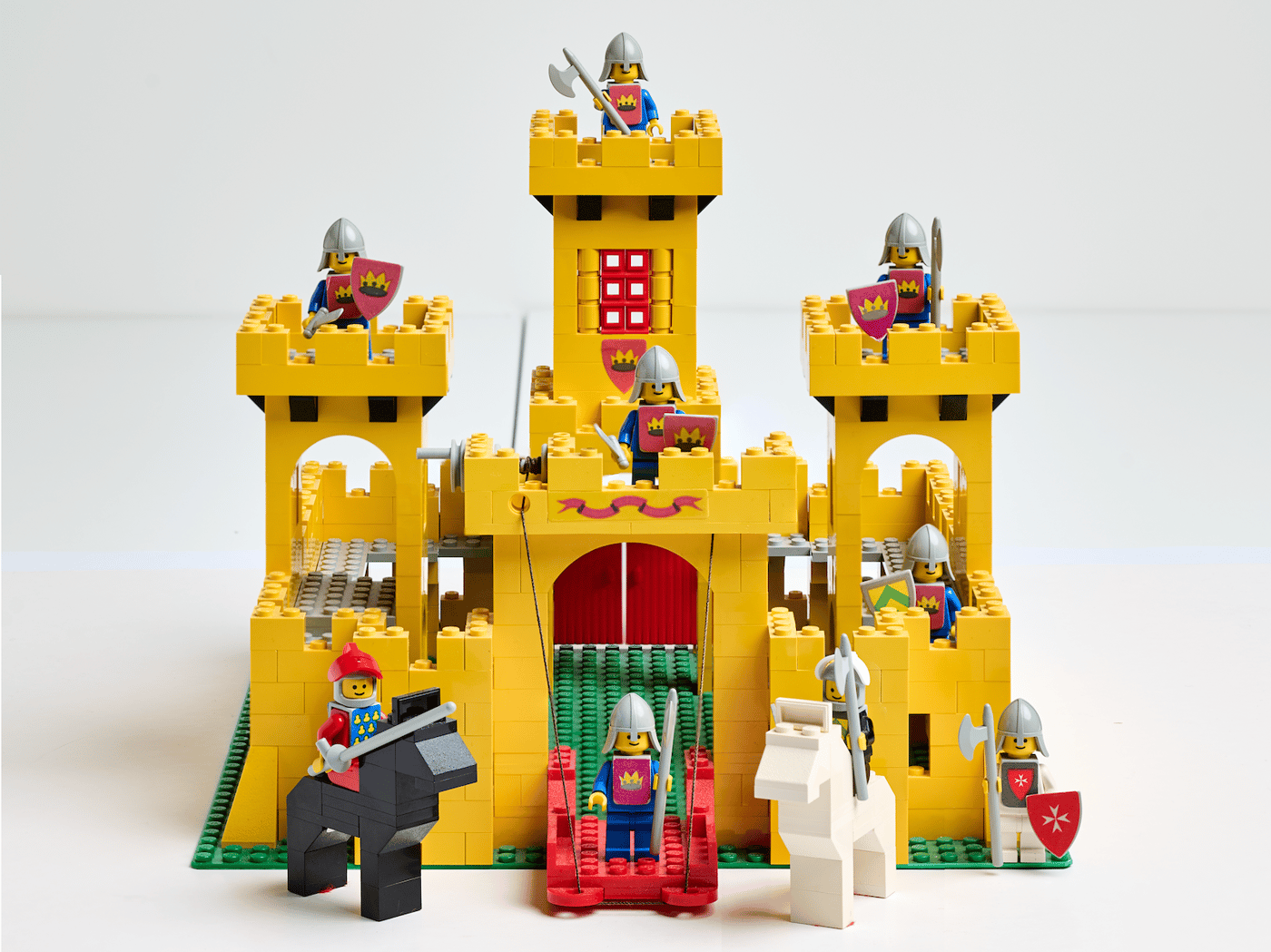
LEGO’s September 2026 Built for Tomorrow campaign revisits the classic yellow castle and its knight to tell a story about keeping bricks in use. The company places reuse alongside its wider work on materials, packaging and renewable energy. The campaign is a useful invitation to revisit a collection, though a promotional message is not a measurement of the environmental impact of any particular household’s choices.
Choose a project before sorting everything
A box of mixed bricks can feel like an unfinished chore. Give it a small purpose first. Choose something that can be completed in an evening: a bus stop, a creature, a garden wall or a room for a favorite figure. Then find the pieces needed for that project, leaving the rest of the collection alone.
This reverses the usual temptation to organize every last element before building anything. A useful first result creates momentum. It also reveals which parts you actually struggle to find, information that can guide a later storage decision more effectively than buying a wall of empty drawers.
Keep the history without freezing the bricks
Before dismantling a well-loved creation, photograph it from several angles. Save a close-up of any connection you might want to reuse. A short note about who built it can matter more in a few years than a perfectly reconstructed parts list.
You can then set aside one small recognizable piece of the old model and rebuild the rest. A castle doorway might become an entrance to a library; a spacecraft cockpit might become a greenhouse. The continuity gives the new project a story while allowing the collection to remain useful.
Passing play along thoughtfully
If bricks are leaving your home, ask the intended recipient what they can accept before preparing a donation. A friend’s building club, a charity and a hospital may have very different requirements. Keep damaged elements separate, and describe what you are offering accurately.
At home, a simple rebuild challenge is enough to begin: use one familiar part in a completely different role. This is our suggested activity, not a claim that reuse erases all manufacturing impacts. The immediate reward is more concrete: a collection that might have stayed in a cupboard becomes the starting point for another afternoon of making something.
Reporting checked September 24, 2026. Plans and programs can change; follow the linked organizations for current information.