
Angus MacLane’s LEGO WALL-E shows what patient rebuilding can achieve
The 2015 Ideas set grew alongside its film character, with new parts and repeated revisions helping bring its personality into bricks.
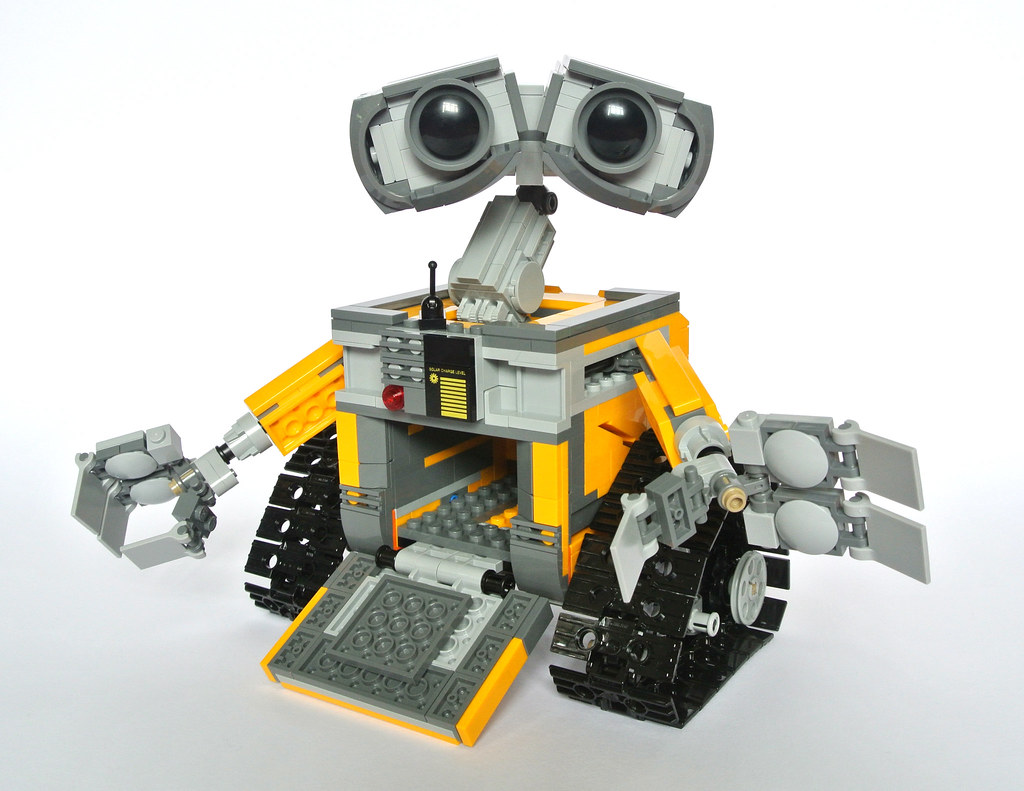
A fan project with an unusually close view of the film
Angus MacLane began building a LEGO WALL-E in autumn 2005 while working on the Pixar film. In his August 2015 LEGO Ideas interview, he explained that the character’s design was still developing. His first model was gray; the familiar yellow came later.
MacLane also occupied two roles during the eventual set’s development: fan designer and Pixar’s licensee approver. That unusual overlap makes the project a particularly interesting part of LEGO Ideas history. It began as a personal build long before it became something other fans could take home.
Some improvements arrived one element at a time
MacLane’s account describes years of revisions. Wider tread elements helped improve the model’s proportions, while a later element gave him a better solution around WALL-E’s eyes. The finished expression emerged through repeated attempts rather than one uninterrupted burst of inspiration.
For our own building, that is an encouraging example. A design can be worth keeping even when one feature has not quite worked. Photograph a promising version before changing it, and keep notes about the problem you are trying to solve. Returning later makes comparison easier and gives the next experiment a clear purpose.
A small robot with room for expression
The retired 21303 set contains 676 pieces. LEGO lists an adjustable head and neck, movable arms, gripping hands, rolling tracks and an opening front compartment, alongside the plant accessory. Its stated height is over 18 cm.
In our reading of the design, those movable features matter because WALL-E’s personality depends on posture. The contrast between a compact box-shaped body and a large, expressive face makes a slight change in pose visually significant. The model invites a collector to consider what the character is looking at or reaching toward, even in a simple display.
An important detail when looking for an older copy
In October 2015, LEGO acknowledged feedback that the head moved too freely and temporarily paused availability while it worked on improvements. That is historical information about the launch, not a new recall or a statement about today’s supply.
If you are considering a used copy, ask the seller to show the neck assembly and demonstrate how the head holds its position. Compare the supplied construction with official building instructions rather than assuming every example is identical. The development story remains a joyful one, and understanding that practical detail helps a buyer appreciate the character with clearer expectations.
Reporting checked September 26, 2026. Plans and programs can change; follow the linked organizations for current information.